

Too Stressed to Be Safe: Addressing Workplace Stress Among Health and Safety Professionals
Workplace stress is a prevalent issue across all industries, but health and safety (H&S) professionals face a particularly challenging landscape. Their roles require constant vigilance, rapid adaptation to evolving regulations, and the balancing of compliance with operational realities. The stakes are high because decisions made by H&S professionals directly affect employee well-being and organisational compliance. Yet, these responsibilities are often coupled with limited authority and recognition, amplifying stress and increasing the risk of burnout.
This article provides a comprehensive overview of workplace stress as it affects H&S professionals, explores the root causes and consequences, and highlights how technology and strategic leadership can drive meaningful change. It also offers practical guidance for building a compelling business case for investment in health and safety technologies, drawing on the latest research, regulatory frameworks, and industry models.
The Scale and Impact of Workplace Stress
Prevalence and Consequences
Workplace stress is not merely a personal challenge—it is a systemic issue with significant organisational and societal implications.
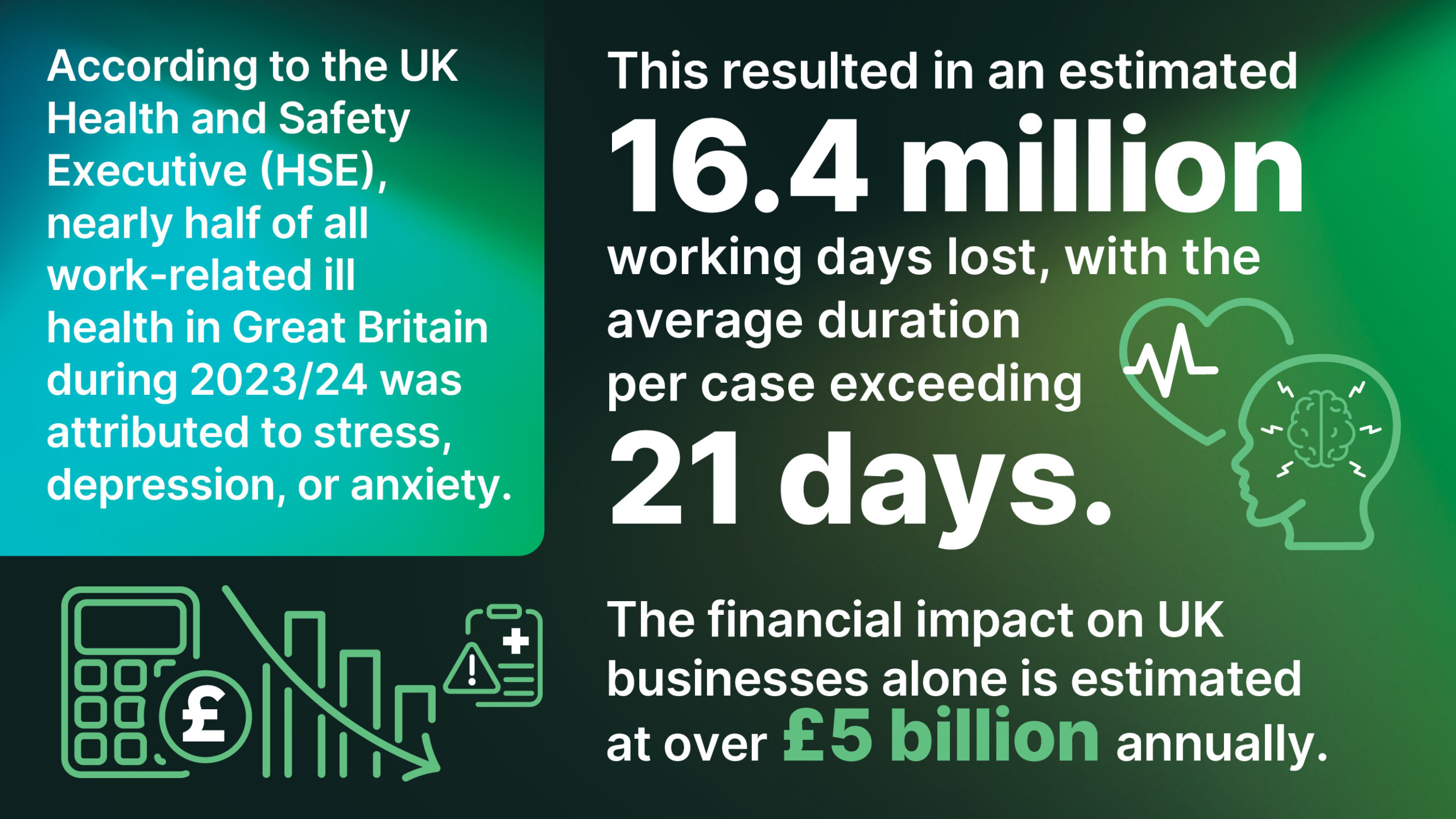
Beyond absenteeism and lost productivity, chronic stress erodes job satisfaction, increases turnover, and can lead to serious health issues. For H&S professionals, stress can compromise decision-making, increase the risk of incidents, and undermine the safety culture they are tasked to uphold.
Unique Stressors Facing Health and Safety Professionals
1. Increasing Regulatory Complexity
H&S professionals must continually interpret and implement new legislation and standards while maintaining existing compliance frameworks. The rapid pace of regulatory change demands ongoing learning and adaptation, often with limited resources.
2. Balancing Compliance with Operational Demands
H&S teams are expected to manage extensive responsibilities, frequently with insufficient support. The pressure to maintain compliance while ensuring business continuity creates role strain and conflicting priorities.
3. Lack of Authority and Recognition
Many professionals feel accountable for safety outcomes without having the decision-making power to enforce necessary changes. This disconnect between responsibility and authority is a major driver of burnout and disengagement.
4. Psychosocial Hazards
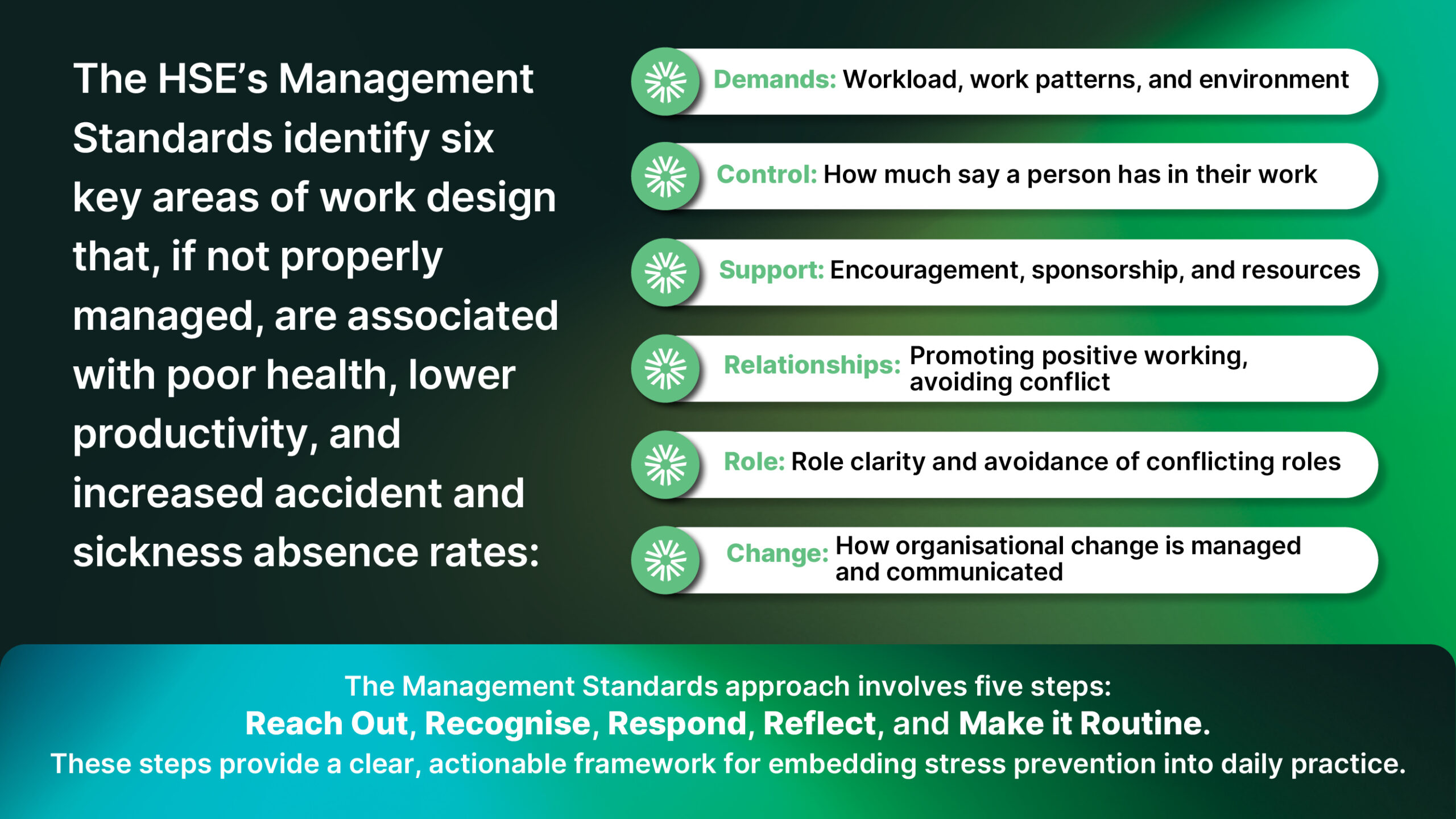
Poor role clarity, lack of control, inadequate support, and organisational change are recognised by HSE’s Management Standards as key contributors to work-related stress.
5. Mental Health Pressures
The high prevalence of stress, depression, or anxiety among H&S professionals is exacerbated by financial and workload pressures, especially among younger staff.
6. Resource Constraints
Labour shortages, budget cuts, and rising expectations leave professionals stretched thin, increasing the risk of errors and burnout.
7. Cultural and Generational Shifts
Growing expectations around wellbeing and psychological safety require adaptive approaches and ongoing investment in mental health support.
HSE Management Standards: A Framework for Action
Beyond absenteeism and lost productivity, chronic stress erodes job satisfaction, increases turnover, and can lead to serious health issues. For H&S professionals, stress can compromise decision-making, increase the risk of incidents, and undermine the safety culture they are tasked to uphold.
Preventing work-related stress is not just good practice—it is a legal requirement. Under the Health and Safety at Work Etc Act 1974 and the Management of Health and Safety at Work Regulations 1999, employers must assess and manage stress risks as they would any other health and safety risk.
Technology as a Solution: Reducing Stress and Enhancing Compliance
Technology offers practical solutions to many of the stressors faced by H&S professionals. Digital platforms can automate routine tasks such as incident reporting, risk assessments, and compliance tracking, eliminating time-consuming manual processes.
Real-time dashboards and analytics provide clear visibility into safety performance, enabling faster, data-driven decisions. Not to mention, mobile apps allow on-site teams to capture hazards instantly, improving response times and accuracy. Cloud-based systems also make it easier to ensure seamless document management and regulatory updates, reducing the burden of constant monitoring.
By streamlining workflows and improving communication, technology not only boosts efficiency but also empowers H&S professionals with greater control and autonomy, significantly lowering stress levels.
Making the Business Case for Health and Safety Technology
Technology offers practical solutions to many of the stressors faced by H&S professionals.
Overcoming Barriers
Despite the clear benefits, H&S professionals often face challenges in securing investment for technology:
- Difficulty Quantifying Return On Investment (ROI): Safety investments are often seen as cost centres rather than revenue generators. Indirect benefits like improved morale or reduced stress are harder to monetise.
- Competing Budget Priorities: Technology for safety competes with revenue-driving projects for funding.
- Perception of Compliance as a “Tick-Box”: Some executives view compliance as a regulatory obligation rather than a strategic enabler.
- Lack of Data: Without robust incident data or predictive analytics, managers cannot clearly show cost savings.
- Complexity of Regulatory Landscape: Constantly changing regulations make it difficult to forecast long-term benefits.
- Cultural Resistance to Change: Operational teams may resist new systems, fearing disruption or added workload.
Building a Compelling Case
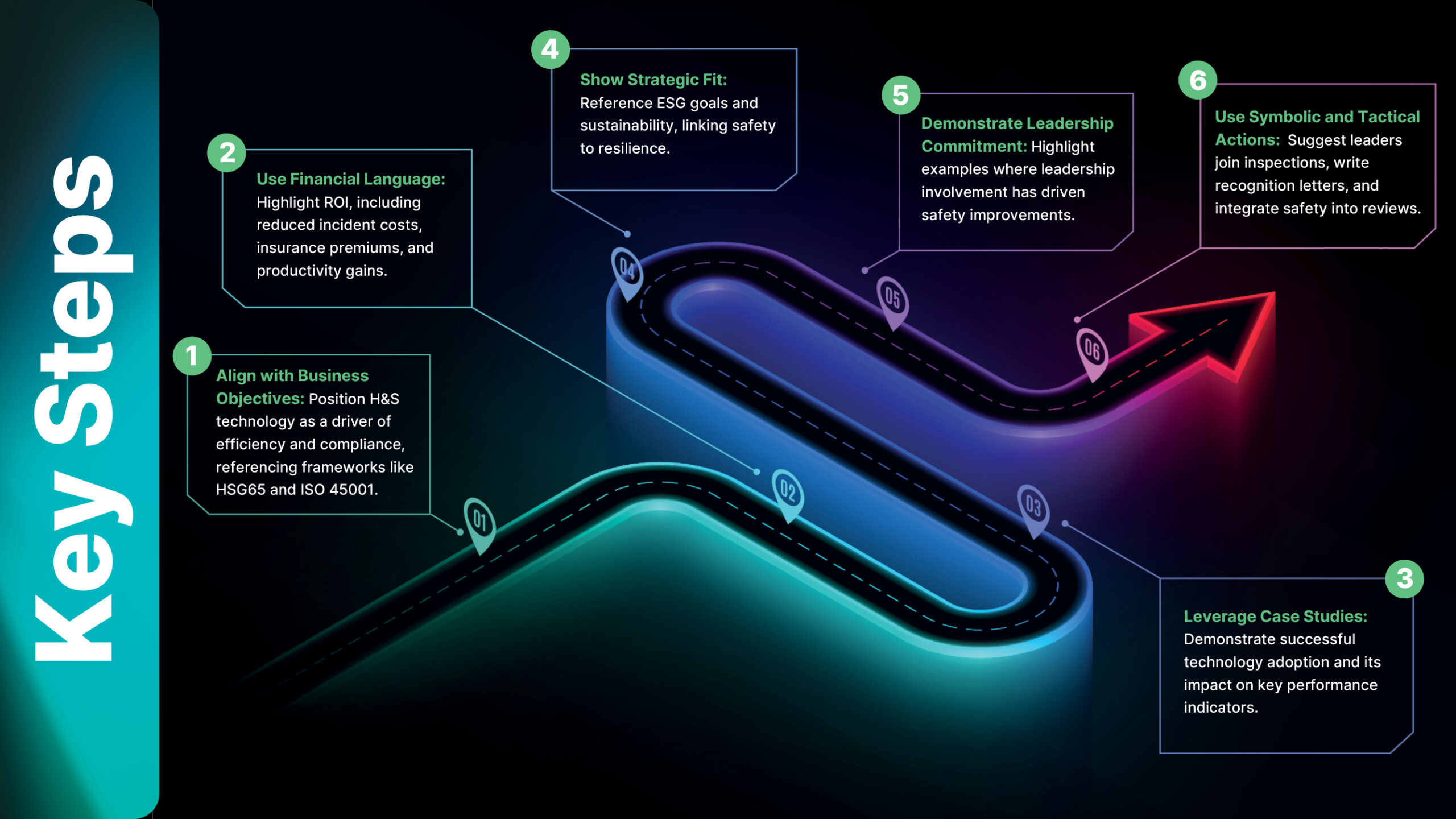
To construct a compelling business case, H&S professionals should present a balanced view of both human and financial benefits:
- Human Benefits: Reduced stress and burnout lead to improved morale, lower turnover, and enhanced job satisfaction.
- Financial Benefits: Fewer workplace incidents, reduced insurance premiums, and increased productivity. Data from EHS platforms can quantify improvements in compliance and risk mitigation.
The IOSH Business Assurance Model: Benchmarking OSH Maturity
The IOSH Business Assurance Model provides a structured approach to embedding occupational safety and health (OSH) into boardroom decision-making. It helps organisations benchmark OSH maturity and identify areas for improvement that justify investment.
Three Core Elements
- Governance and Leadership
- Systems and Processes
- People and Culture.
Organisations use the Business Assurance Tool for self-assessment, generating dashboards that highlight strengths and gaps. Continuous use ensures progress tracking and alignment with strategic goals. Validation by IOSH leads to a Certificate of Business Assurance, confirming OSH maturity on a scale from 1 to 12.
Conclusion: From Compliance to Transformation
Workplace stress among HS professionals is a complex, multifaceted challenge with far-reaching consequences. However, it is also an opportunity for organisations to demonstrate leadership, invest in their people, and drive sustainable performance.
By adopting structured frameworks like the HSE Management Standards, leveraging technology to streamline processes and empower professionals, and building robust business cases for investment, organisations can move beyond compliance to create resilient, proactive, and transformative safety cultures.
The journey requires commitment from the top, ongoing engagement with employees, and a willingness to embrace innovation. The rewards—improved well-being, stronger performance, and a safer, more sustainable workplace—are well worth the investment.
0203 337 3575
enquiries@vantify.com